Introducing a New AIA Course for Architects and Design Professionals
We’re excited to introduce our new AIA continuing education course, Architecture in an AI Era!
As AI continues to shape the way we work, it’s also creating new opportunities and challenges for the built environment. From growing energy and infrastructure demands to new tools that can support smarter, more resilient building design, this course explores how these changes may affect architects.
Why it Matters
AI is speeding up an already significant shift in the U.S. energy landscape. By 2030, data centers could account for nearly 9% of total U.S. electricity use, placing new pressure on a grid already facing growing demand and capacity constraints.
For architects, that creates a broader design challenge: how can buildings use less electricity without compromising comfort, performance, or the experience of the people inside? As demand increases, strategies that reduce a building’s reliance on electricity and make better use of natural resources will become an increasingly important part of resilient, efficient design.
How VELUX Commercial Skylights Support More Resilient Design
As we look for ways to reduce a building’s reliance on electricity, daylighting and natural ventilation can play an important role in the overall design strategy. VELUX Commercial offers solutions designed to help bring both strategies into large-scale commercial projects.
Daylighting
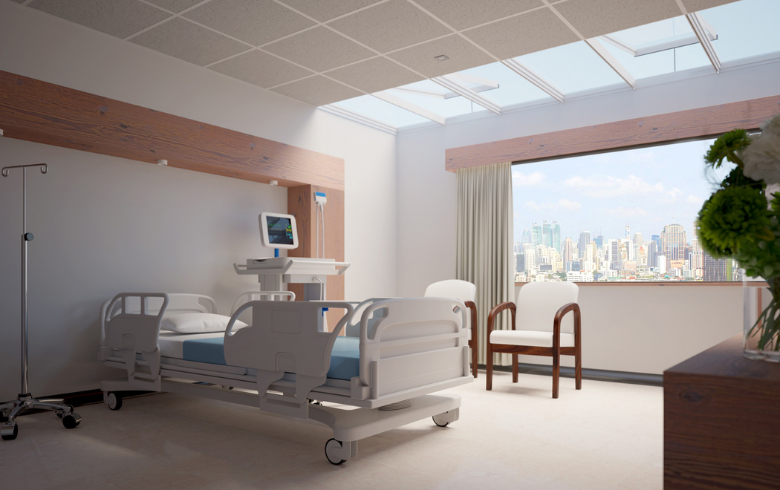
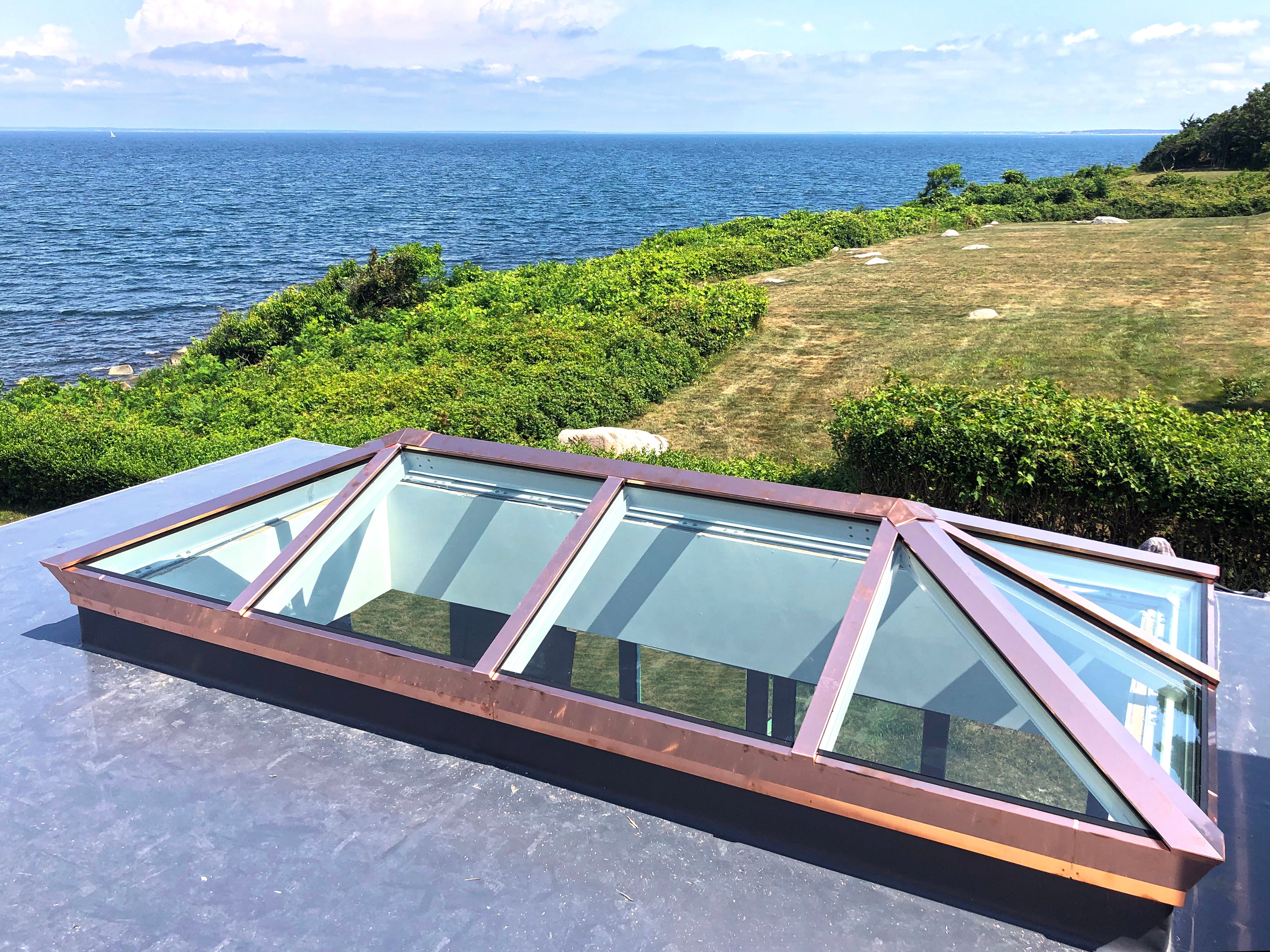
VELUX Commercial skylights bring daylight in through the roof, giving architects more flexibility to reach spaces where vertical glazing may be limited or where natural light needs to penetrate deeper into the building.
Dynamic Dome Unit Skylights, for example, are designed to capture more early-morning and late-afternoon daylight by better using low-angle sunlight. This can extend the time a building can rely on daylight before electric lighting is needed, helping reduce lighting-related energy use throughout the day.
By reducing reliance on electric lighting during daylight hours, daylighting can help lower energy demand and operating costs while supporting building resilience when grid capacity or reliability is under pressure.
Natural Ventilation
Operable skylight solutions, such as VELUX Modular Skylights, can support natural ventilation strategies in appropriate areas of the building. As part of the broader building design, they can help promote air movement, support indoor environmental quality, and make greater use of natural ventilation before relying on powered systems.
As energy demands continue to grow, strategies like these can help architects design buildings that are more efficient, adaptable, and resilient for the future.
Architecture in an AI Era Course Description
To help architects better understand how AI is shaping professional practice and the built environment, Architecture in an AI Era offers a practice-focused exploration of its impact on architectural design, documentation, and project delivery.
Participants will learn practical workflows, evaluate risks and opportunities, and gain strategies to mitigate the strain that AI data centers and other high-use commercial buildings place on utility infrastructure and the surrounding natural environment.
Learning Objectives
- Analyze U.S. data center growth and its impact on infrastructure stability. Participants will examine how rapid expansion of AI‑driven data centers affects utility demand, grid reliability, infrastructure planning, and development risk, factors that directly influence public safety and long‑term community resilience.
- Identify energy‑efficiency strategies that improve building performance and occupant well‑being. Participants will review current mitigation strategies—including solar integration, dynamic daylighting, ventilation approaches, smart lighting, and intelligent building systems—and understand how these measures reduce energy waste and support healthier indoor environments.
- Evaluate energy‑resilience solutions for new and existing buildings. Participants will assess resilience strategies that reduce consumption, generate on‑site energy, and enhance storage capacity, such as HVAC optimization, venting skylights, EMS controls, solar, wind, geothermal systems, and long‑duration energy storage, critical components for maintaining safe, reliable building operations.
- Assess the role of AI‑enabled tools in supporting safe, compliant, and resilient architectural decision‑making. Participants will explore how AI‑assisted analysis, automation, and predictive modeling influence building performance, code compliance, environmental health, and risk mitigation within the built environment.
Explore All On-Demand AIA Courses
Continue learning on your schedule with VELUX AIA continuing education courses for architects and design professionals. Our on-demand courses explore emerging trends, ideas, and considerations shaping the built environment today.
Explore the courses available, or visit our Continuing Education page to discover additional VELUX-sponsored learning opportunities, including in-person and virtual courses.