
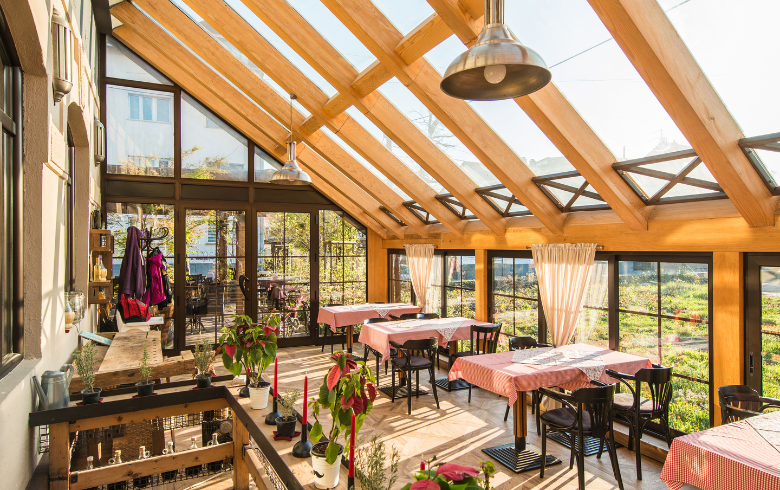
How Natural Light Can Enhance Restaurant Design and Guest Experience
The restaurant industry is extremely competitive. To give you an idea, according to the National Restaurant Association’s 2026 State of the Restaurant Industry report, total restaurant and food service sales are projected to reach $1.55 trillion this year, and restaurant operators are forecast to add more than 100,000 jobs.
But what makes a restaurant worth going to? Think back to your last great dining experience. I am sure it was not just the food that made it memorable. Thriving restaurants have not only great food but also the ability to create great memories through a combination of ambiance, service, and food.
We can't tell you how to sear a scallop or how to please customers from a food-service perspective, but we can attest to the impact natural light has on restaurants, with surprising benefits that go beyond looks.
Benefits of Natural Light in Restaurants
Natural light can influence more than how a restaurant looks. When thoughtfully incorporated into restaurant design, skylights can help shape the guest experience in the dining room while also supporting a more comfortable environment for staff behind the scenes.
Guest Experience Benefits
In hospitality, the setting is part of the experience. Skylights can help transform the dining room into a brighter, more immersive environment that encourages guests to settle in, stay longer, and return in the future.
Aesthetics and Ambiance
Ambiance is one of the first things guests notice when they walk into a restaurant. Before they read the menu or take their first bite, they are already responding to the atmosphere around them. Lighting plays a major role in that first impression. Skylights can help create a brighter, more welcoming dining environment by bringing natural light in from above. This can make the space feel more open, comfortable, and intentionally designed.
Enhances Materials, Finishes, and Interior Details
Daylight can bring depth and dimension to the dining room by highlighting architectural details, surface textures, and interior finishes. Materials such as wood, stone, tile, greenery, and metal can feel richer and more visually engaging when supported by natural light.
Supports Biophilic Design Strategies
Skylights can help strengthen the connection between the built environment and the natural world. By bringing daylight into the dining area, architects can support biophilic design goals and create restaurant spaces that feel more comfortable, inviting, and connected to nature.
Staff and Back-of-House Benefits
While the dining room often receives the most design attention, restaurant performance also depends on the spaces guests never see. Kitchens, prep areas, offices, and staff zones can all benefit from better daylight, ventilation, and indoor comfort.
Ventilation
If you have ever worked in a restaurant, you're very familiar with the heat, moisture, odors, and stale air that can accumulate in the kitchen. All the cooking smells and people working in tight quarters can create quite an uncomfortable back-of-house environment.
Venting skylights can help support air movement by allowing warm, stale air and excess moisture to escape from above. While they do not replace required mechanical ventilation or kitchen exhaust systems, they can complement a broader ventilation strategy and contribute to a fresher, more comfortable environment.
Improved Employee Performance
Restaurant teams spend long hours moving between fast-paced dining rooms, prep areas, kitchens, and back-of-house spaces. Access to natural light throughout the day can help create a more comfortable work environment for staff, especially in areas that may otherwise feel closed off or artificially lit.
Daylighting has been associated with improved mood, enhanced morale, less fatigue, and reduced eyestrain (Robbins, 1986). While much of the research focuses on office, industrial, and retail settings, the same idea applies to restaurants: better lighting quality can support the people working behind every guest experience.
For restaurant operators, that matters. A more comfortable environment can help staff feel more energized, focused, and supported throughout the day, contributing to a better workplace experience in both front- and back-of-house areas.
Energy Efficiency
Skylights can help restaurants make better use of natural light during daytime service, reducing the need for artificial lighting in dining areas, prep areas, kitchens, offices, storage rooms, and other back-of-house spaces.
For added comfort and control, shades can help manage the changing conditions that come with natural light. In warmer months, they can reduce glare and heat gain to help keep dining areas comfortable. In cooler months, they can add a layer of insulation, supporting a more consistent indoor environment for guests and staff.
Where Can Skylights Be Used in Restaurant Design?
- Dining Rooms: To create ambiance, highlight materials, and make the space feel more open.
- Bars and Waiting Areas: To create a brighter first impression and improve the arrival experience.
- Private Dining Rooms: To make enclosed spaces feel more elevated and connected to the outdoors.
- Kitchens and Prep Areas: To support ventilation, visibility, and employee comfort and productivity.
- Back-of-House Spaces: To bring daylight into corridors, offices, storage areas, and break areas that may otherwise rely on artificial lighting.
Choosing the Right Skylight Solution for a Restaurant
Depending on the project, restaurants may benefit from fixed skylights, venting skylights, continuous rooflight systems, or skylights with integrated shades. The right solution will depend on how the space is used, the desired daylight levels, ventilation needs, roof configuration, and comfort goals.
Need help narrowing down the options? VELUX Commercial experts can review your project requirements and help identify daylighting solutions for dining areas, kitchens, and back-of-house spaces. Reach out to connect with a daylighting expert and find the right fit for your restaurant project.
Sources:

.png?width=805&name=get%20the%20commercial%20application%20ebooks%20(1).png)


